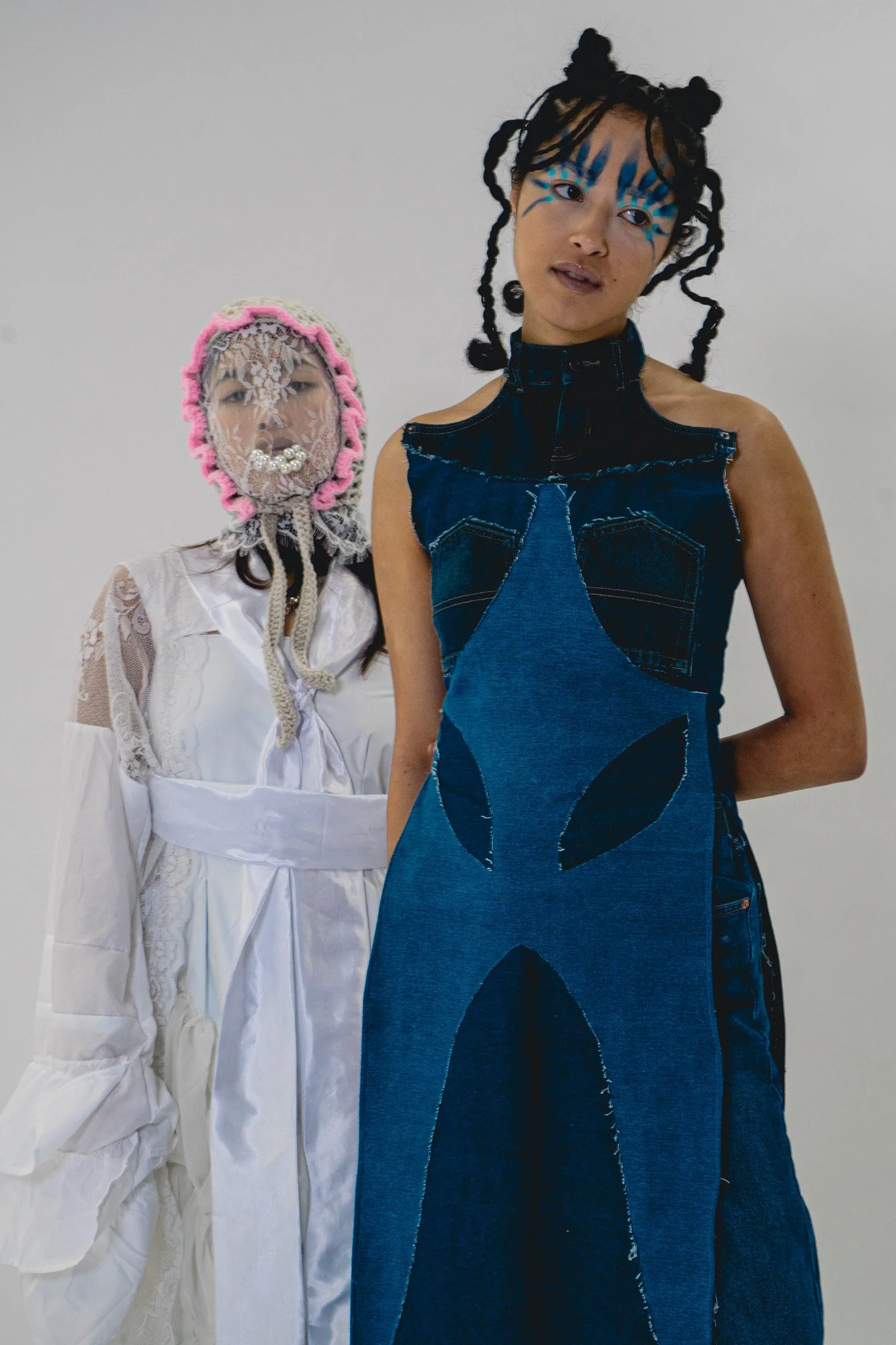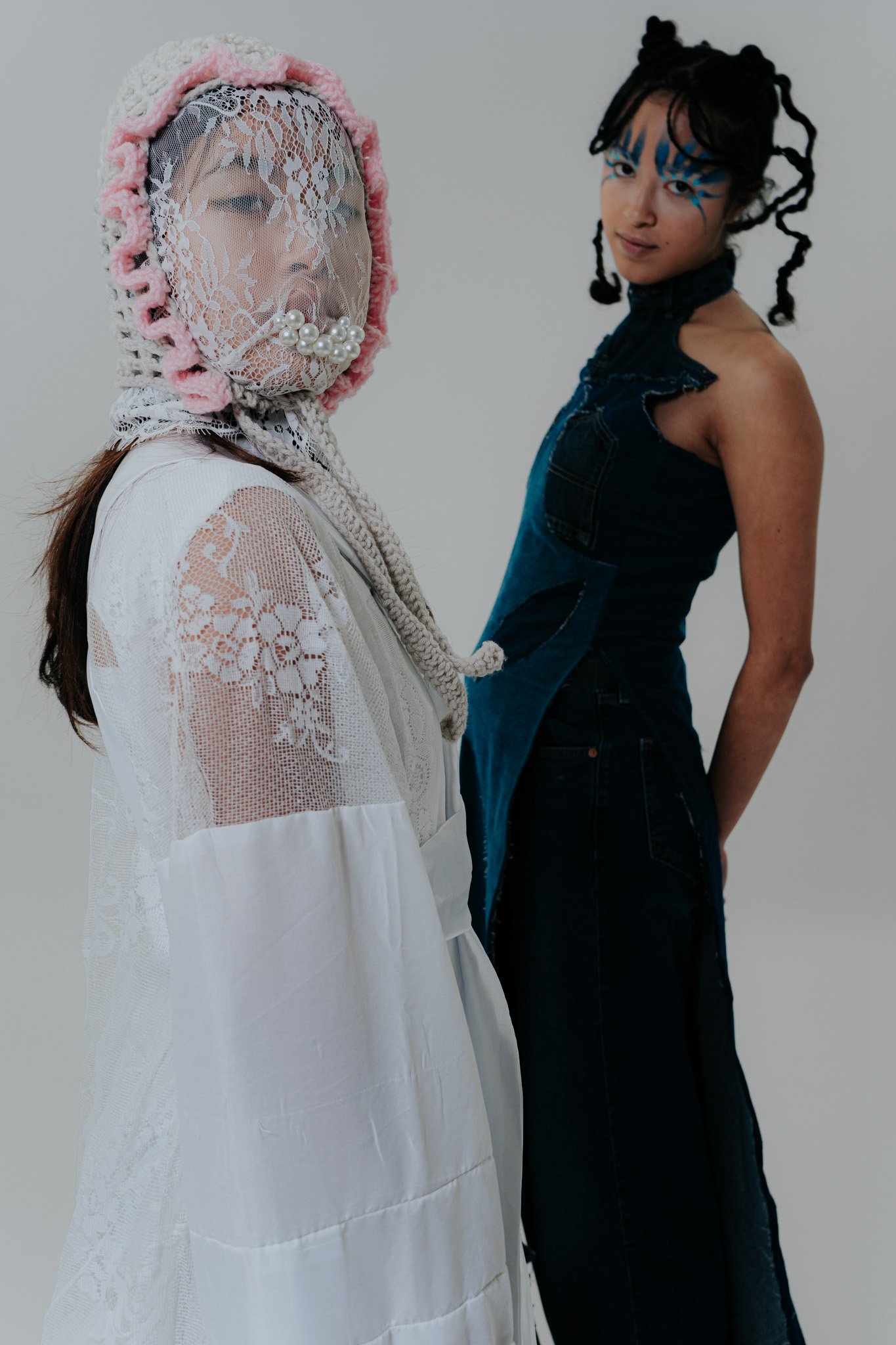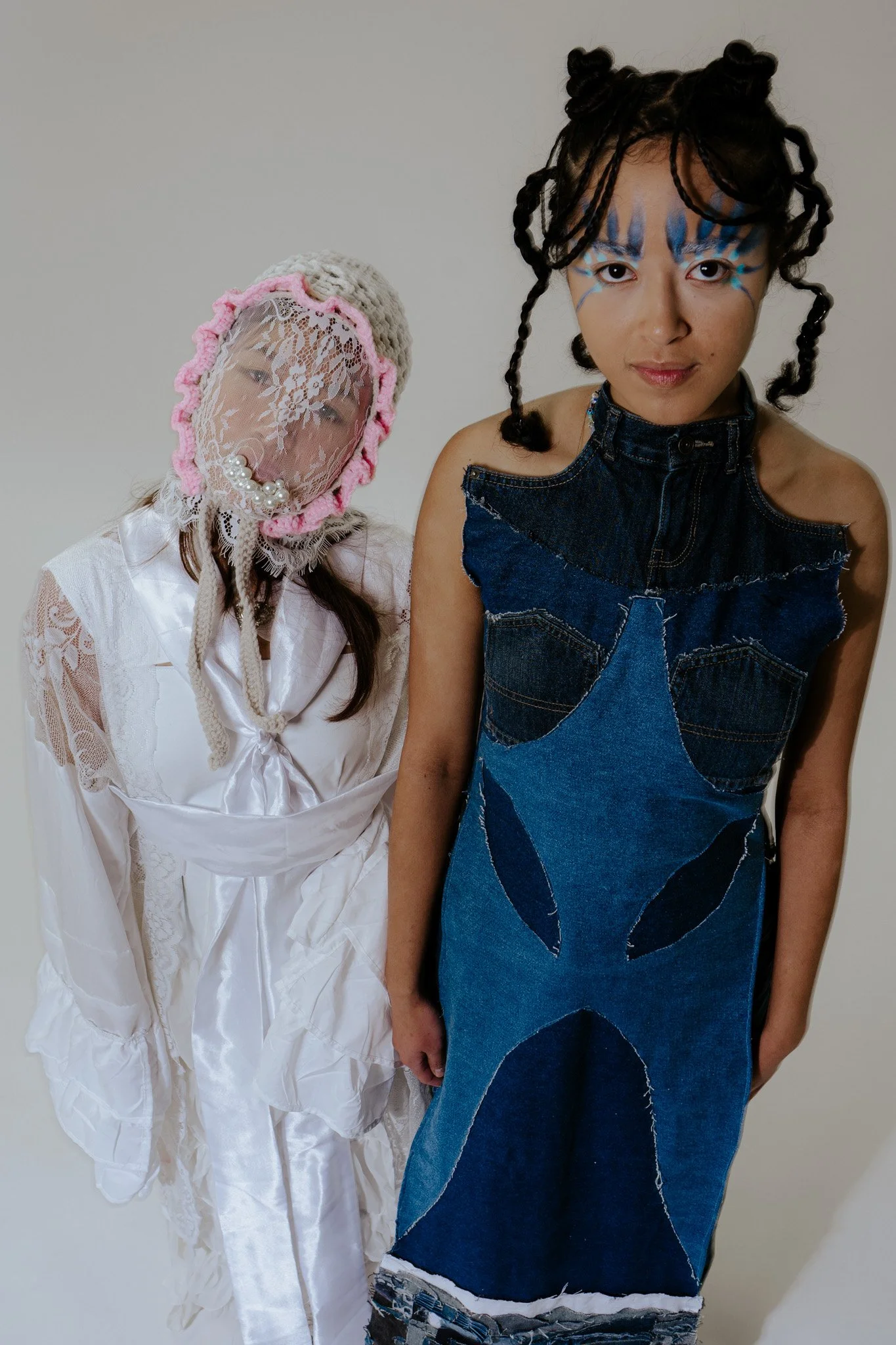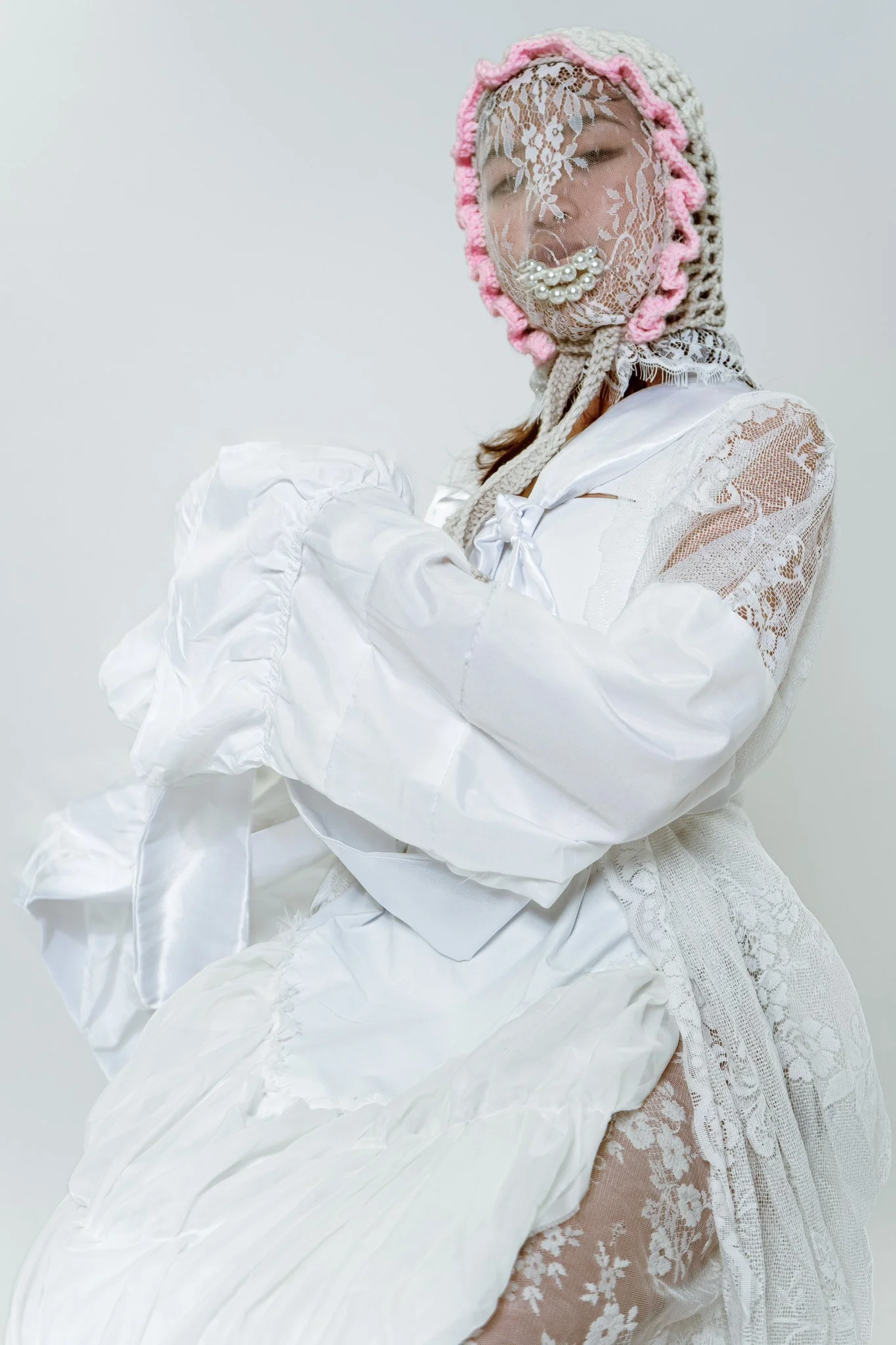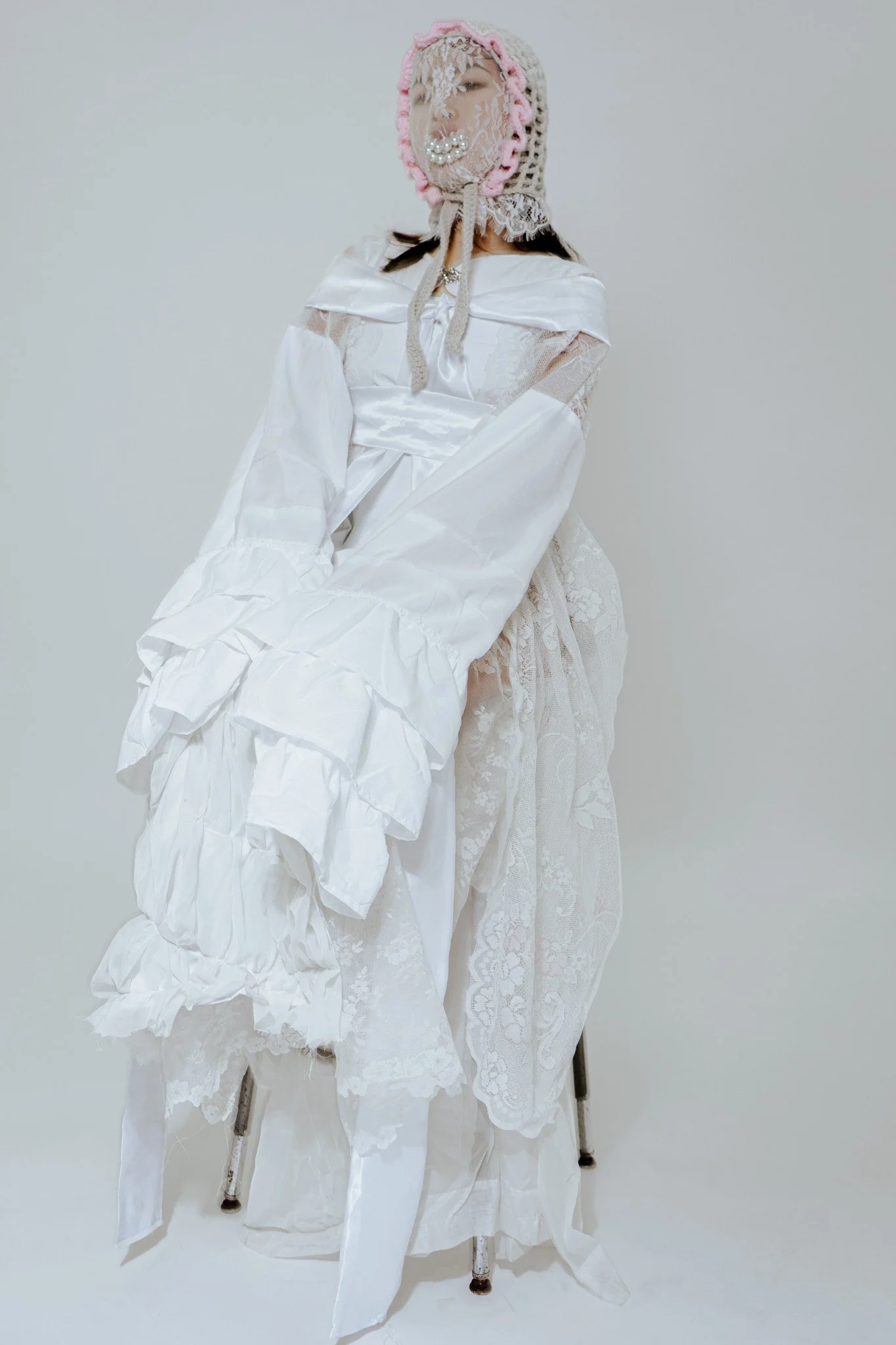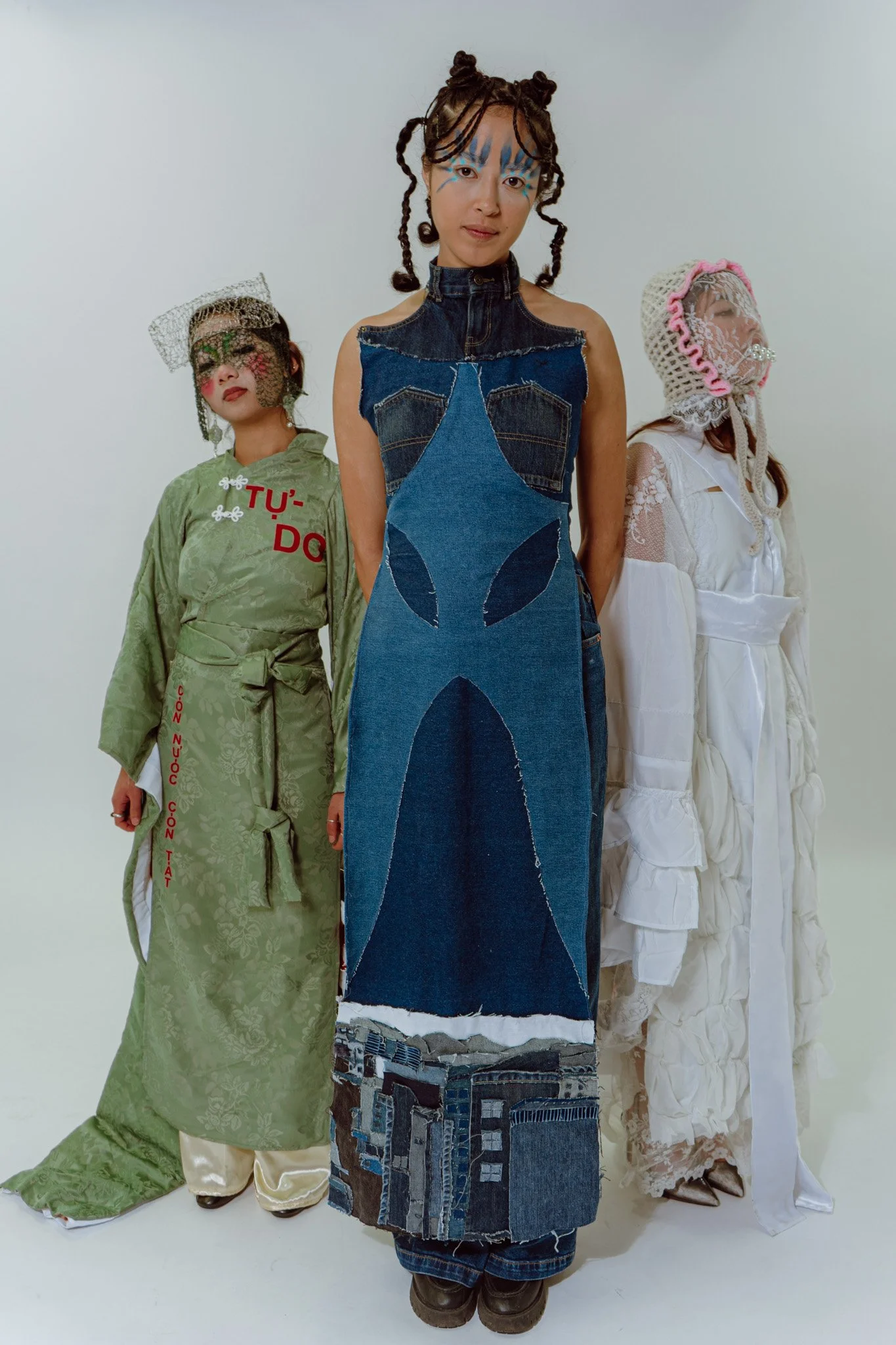
Việt kiều “Overseas Vietnamese” (2023)
As we draw parallels between our struggles, we recall the military violence at the hands of Western imperialism in our homelands. The ethnic cleansing and war violence being enacted on Palestinians is the same brutality that was shown in the American war in Vietnam to the Vietnamese, Lao, and Cambodian people. In 1955, the United States killed three million Vietnamese people over eight years in a proxy battleground against the specter of communism, through missiles, carpet bombing, and the use of Agent Orange.
The same tools they used against us are now aimed at Palestinians, evoking intense feelings of anxiety, rage, sadness, and grief. As we watch history constantly repeat itself with no regard for human life, witnessing Palestinians' struggle reopens our collective inter-generational wounds tied to violent imperialist ideologies.
Vietnamese people remember our history and the legacy of war in the collective memory. The Democratic Republic of Vietnam (North Vietnam) was one of the first countries to establish diplomatic ties with the Palestinian Liberation Front in 1968. The two countries, our elders, and revolutionary leaders have historically stood with each other in the face of Western imperialism, unconditionally supporting the Palestinian people’s right to self-determination. Their struggle is our struggle.
Imperialism is the primary enemy of the Palestinian cause, creating the Zionist project and arming it to the teeth as a mechanism of attack against the Arab community. In the face of our common enemy, the Western war machine, we must embrace the Palestinian cause as our own. We have a responsibility as Vietnamese and Southeast Asian communities living in the United States to hold our government accountable for its role in this genocide, making us complicit.
As Việt kiềus, as members of a larger community, we cannot forget the violence that was inflicted upon our people. We have a collective duty to call on more than just a ceasefire but the end of Zionist occupation in Palestine. We cannot lose hope, as we've seen how the anti-war movement with access to real-time visual reporting rallied many, leading to the eventual withdrawal of troops from Vietnam.
The struggle for independence spans across history. Every movement for liberation is interconnected, and we are interdependent. Our participation is required.
To be Vietnamese is to be optimistic in our resistance, believing in a world where our land and people are free. The historic ties between Vietnam and Palestine show how global solidarity is a powerful and meaningful method of resistance. It reminds us that freedom has only ever been achieved through resistance, displaying the deepest form of love and community.
from Vietnam to Palestine, one struggle, many fronts.
Victory to the Intifada.
This collection explores the Vietnamese diaspora, centering on the experience of Vietnamese immigrants. Showcasing four distinct Ao Dais — traditional Vietnamese garments — that serve as both a canvas and a storyteller.
Each Ao Dai is a reflection of a unique facet of the diaspora.
Vietnamese resistance to foreign powers has greatly influenced Vietnamese identity. Our homelands, language, and experiences shape our understanding of the world. Our ancestors have suffered repeatedly at the hands of colonization, causing displacement with war arriving at their doorstep.
Therefore, as immigrants witness the genocide against Palestinians by Israel’s militarized settler state, it activates the intergenerational trauma and grief in the larger refugee community. We bear witness to the ongoing stream of crimes against the Palestinian people. The routine murder of Palestinians in the streets of the West Bank, the siege on Gaza, the theft of land for settlements, the denial of refugees’ right to return, and the torture and attacks on Palestinian prisoners. The ongoing invasions of mosques, homes, and hospitals, and the 75 years of Zionist occupation throughout occupied Palestine.
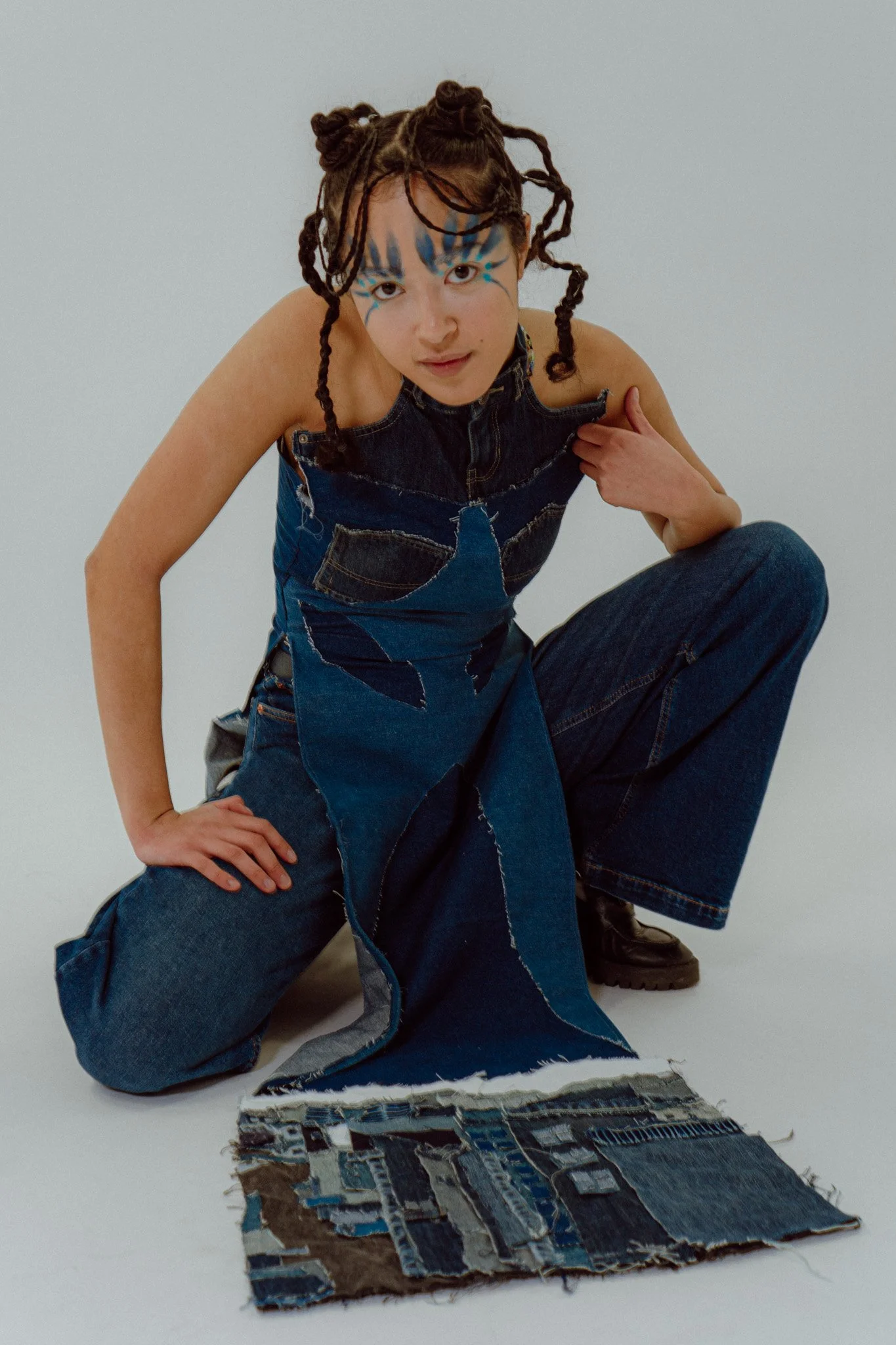
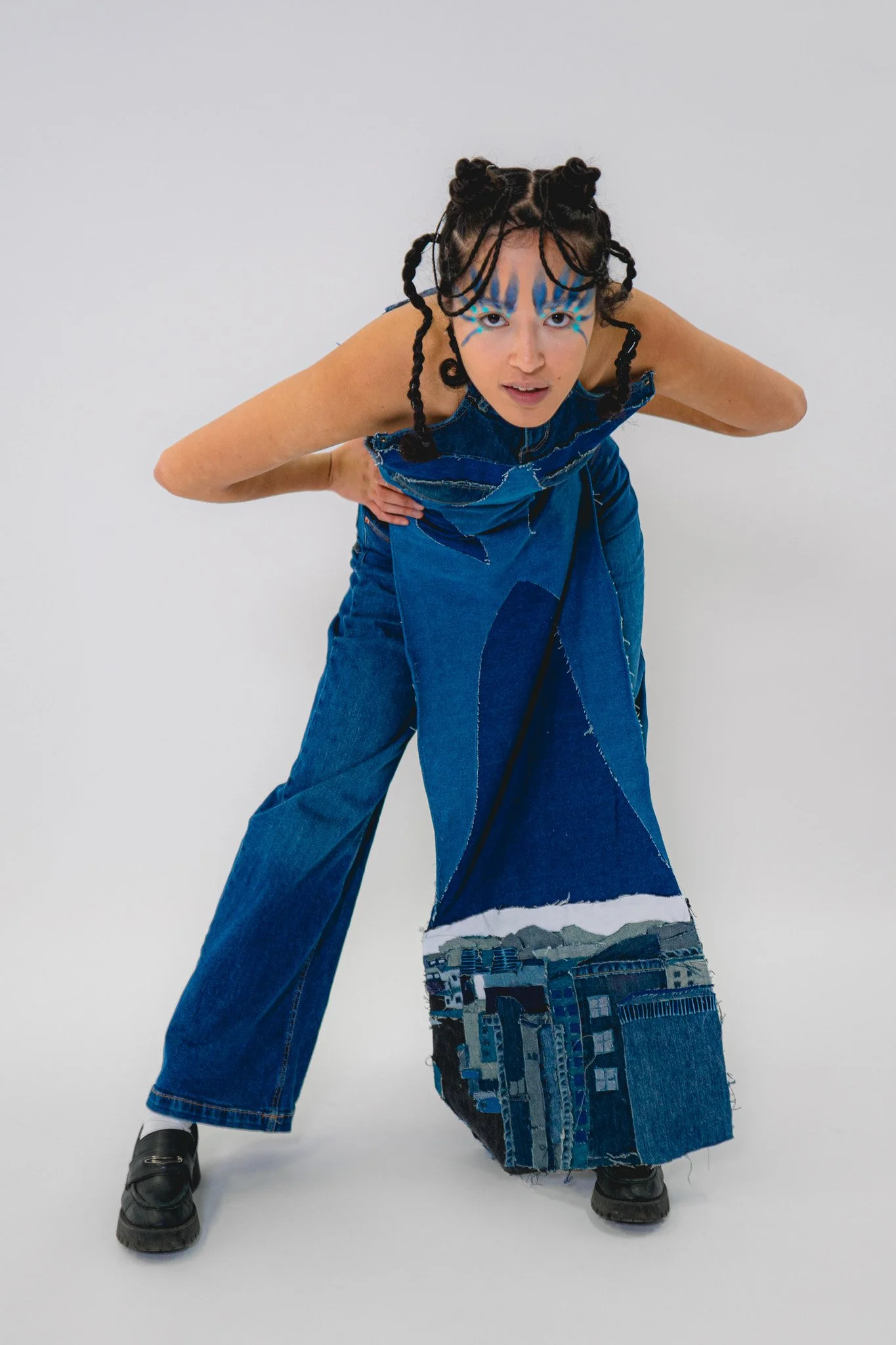
Ao Dai 1: Denim textile collage, depicts my mother's hometown, Duy Vinh. A visual symphony of history and culture, mirroring the enduring spirit of a people who have withstood centuries of occupation. It prompts contemplation on what life might have been had I grown up in my motherland and the constant yearning to return home.
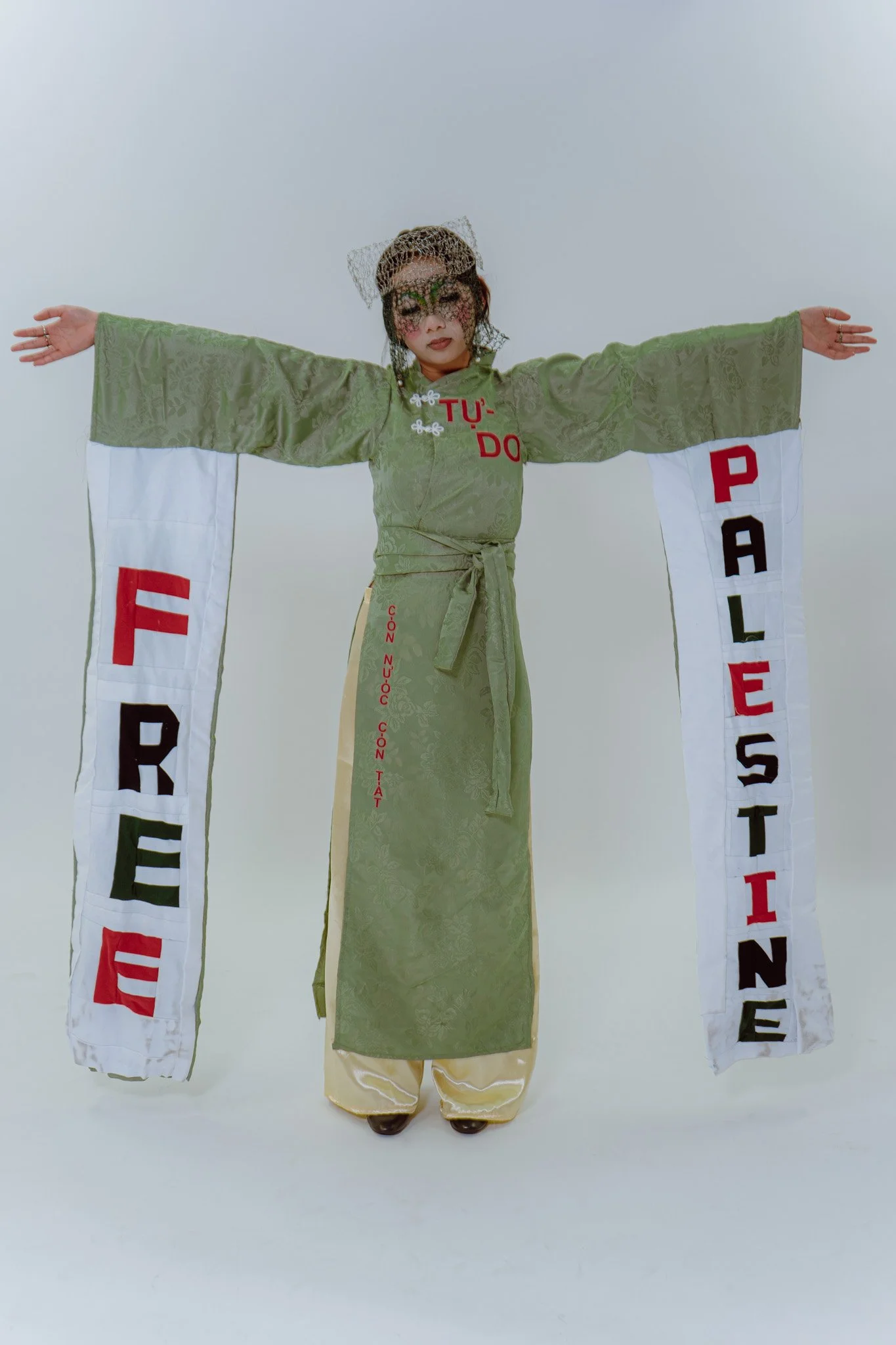
Ao Dai 2: Draws inspiration from freedom fighters who valiantly resisted imperial domination. It is a statement on the resilience of the Vietnamese people, who endured the violent upheavals and displacement inflicted by imperial forces and foreign aggressors. Vinyl printed on the dress are two phrases in Vietnamese. Tự Do means liberation and Còn Nước Còn Tát is an idiom that translates to, "As long as there is a sliver of hope, there is still a reason for us to fight." This piece symbolizes the global struggle for collective liberation and an unwavering commitment to international solidarity.
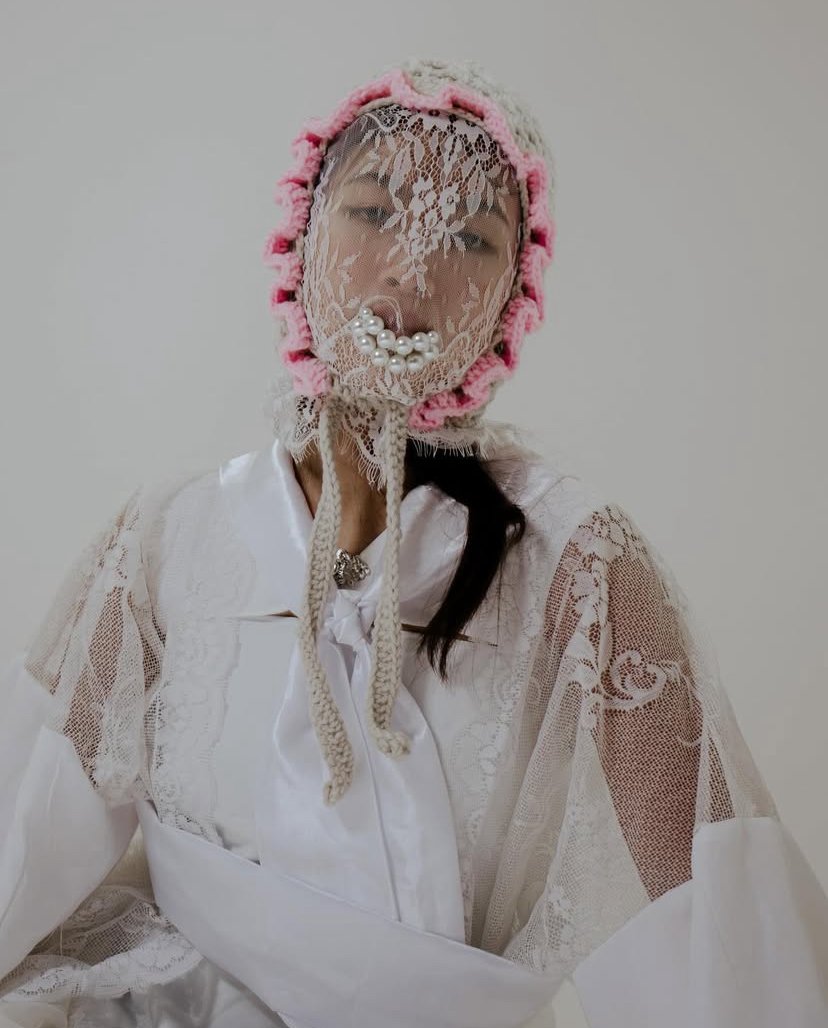
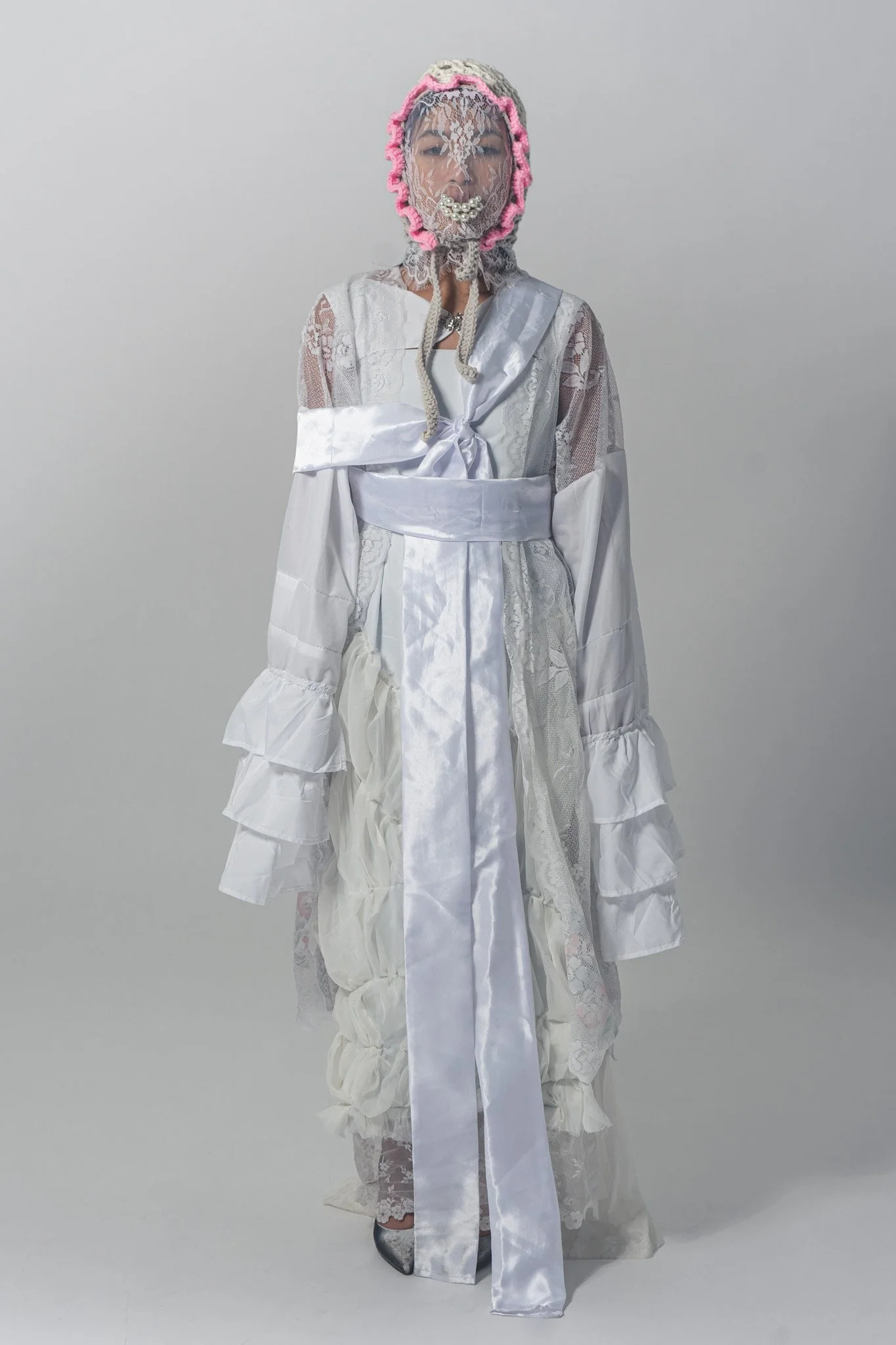
Ao Dai 3: A delicate interplay of lace and satin, underscoring the loss of innocence through the process of forced migration. It chronicles the arduous journey of navigating identity in a new home and grappling with the reality of settling down in the same country that imperialized our homelands. It symbolizes the experience of being a perpetual foreigner everywhere we go.